Wichita Concrete Pros: Concrete Driveway Replacement and Flatwork in Wichita, KS
Wichita Concrete Pros is a concrete contractor licensed and insured in Kansas, serving Wichita and Sedgwick County. We tear out and replace driveways, patios, sidewalks, steps and stoops, garage and shop floors, and stamped concrete. We handle tear-out and haul-away and pour commercial flatwork. We work on houses, older homes, and commercial sites.
A driveway fails from the ground up, not the top down. We remove the old slab, rebuild the base in compacted crushed stone, and pour new concrete over it. A thin slab poured on bare dirt cracks and sinks no matter how good the mix. The base is the job.
Call for a Free Estimate- Licensed and insured in KS
- Locally owned, not a franchise
- Compacted crushed-stone base under every slab
- 4,000 PSI air-entrained concrete
- Serving all of Sedgwick County
Concrete Driveway Replacement
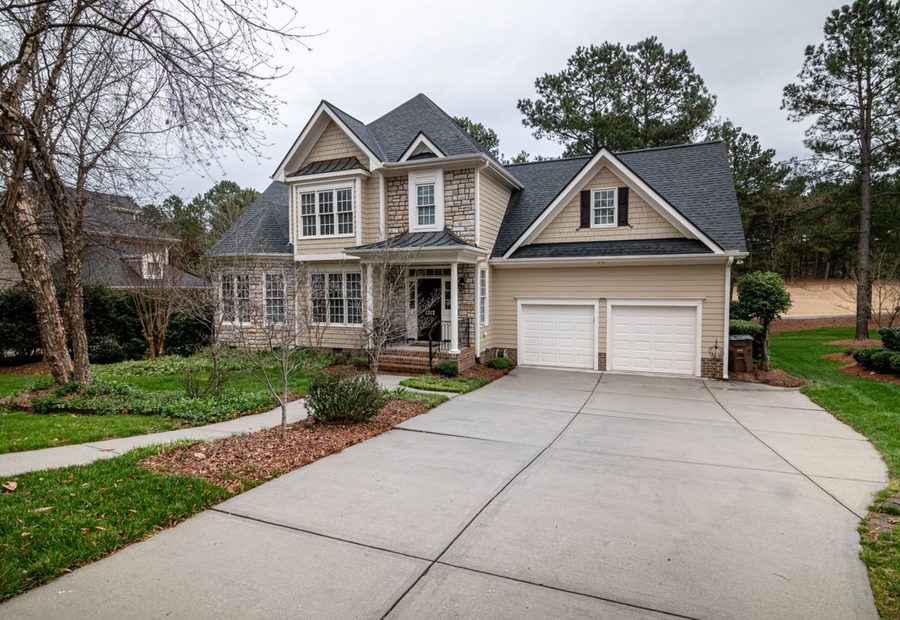
A driveway cracks and sinks because of what sits under it, not the concrete on top. We tear out the old slab and start at the ground. Four to six inches of compacted crushed stone go down over compacted subgrade. Then the pour goes on a base that drains water and does not settle.
The new slab is four inches thick, five to six where a truck or an RV parks. Rebar or welded wire mesh rides on chairs in the middle of the slab, and the mix is 4,000 PSI air-entrained. We saw-cut control joints about every ten feet and set isolation joints at the garage so the slab can move without tearing. More on concrete driveway replacement.
Concrete Patio Replacement
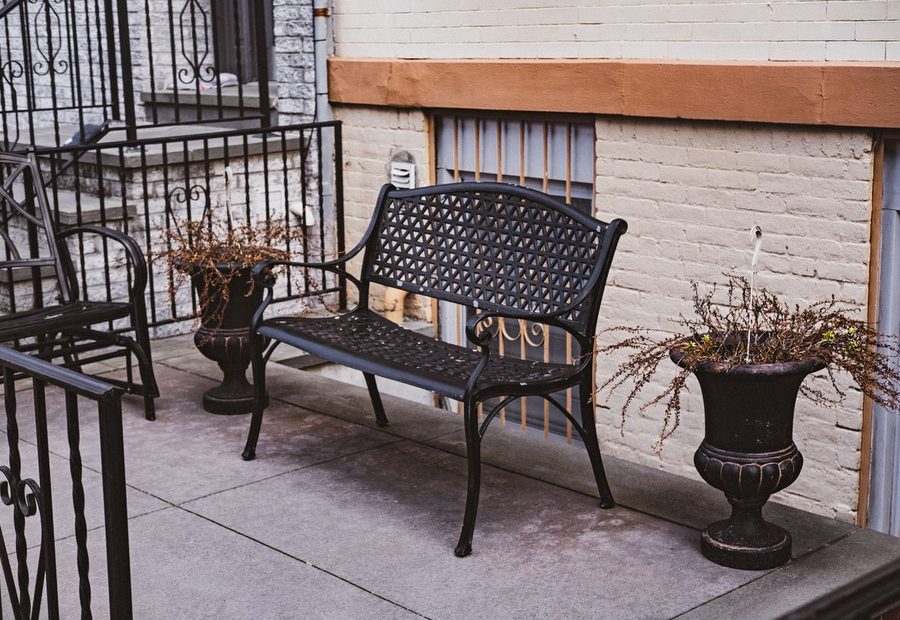
An old patio heaves and cracks when it was poured on dirt and pitched the wrong way. Water runs back toward the house, and the clay under the slab moves with the seasons. We tear the old patio out and repour it on a compacted stone base.
We slope the new slab away from the house so water sheds off it. A broom finish gives grip, or we stamp and color the surface. Control joints saw-cut into the slab decide where it cracks instead of letting the crack wander across the top. More on concrete patio replacement.
Sidewalk & Walkway Replacement
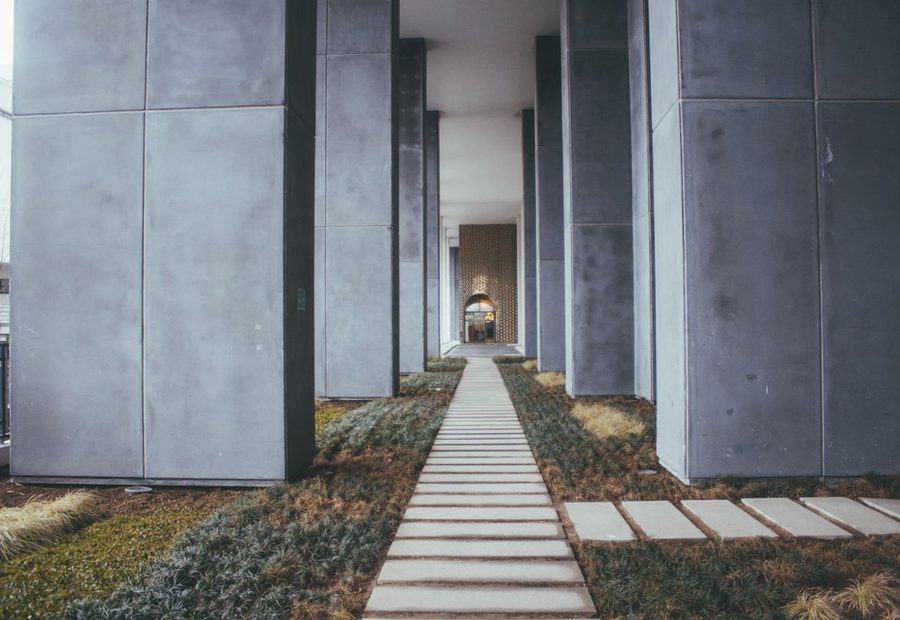
A sidewalk slab that has lifted or dropped is a trip hazard. Tree roots, frost, and shrinking clay push the sections out of line. We remove the bad slabs and repour them flat, on a base that keeps them level.
Approach walks get a code slope and isolation joints where they meet the steps and the driveway. That separation lets the walk and the steps move on their own without cracking each other. A walk poured tight against a stoop drags on it every freeze. More on sidewalk and walkway replacement.
Concrete Steps & Stoops
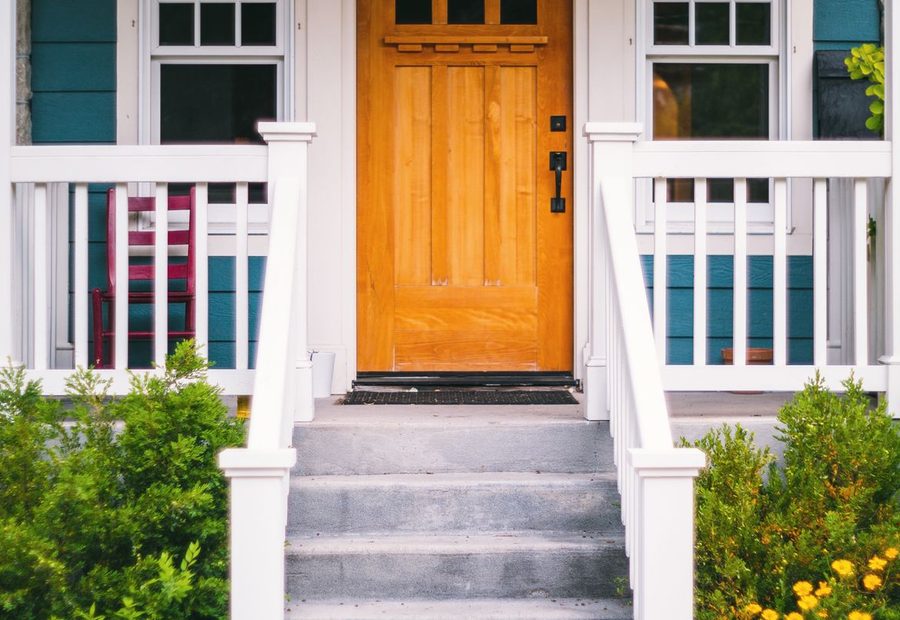
Steps and stoops pull away from the house when frost lifts them. A footing set above the frost line heaves every winter and drops every spring. The stoop tips, and a gap opens where it meets the wall.
We pour steps and stoops on a footing below the frost line, so frost has nothing to grab. That footing is the difference between a step that stays put and one that keeps moving. Lifting a settled stoop is a patch; a footing set right does not settle in the first place. More on concrete steps and stoops.
Garage & Shop Floor Slabs
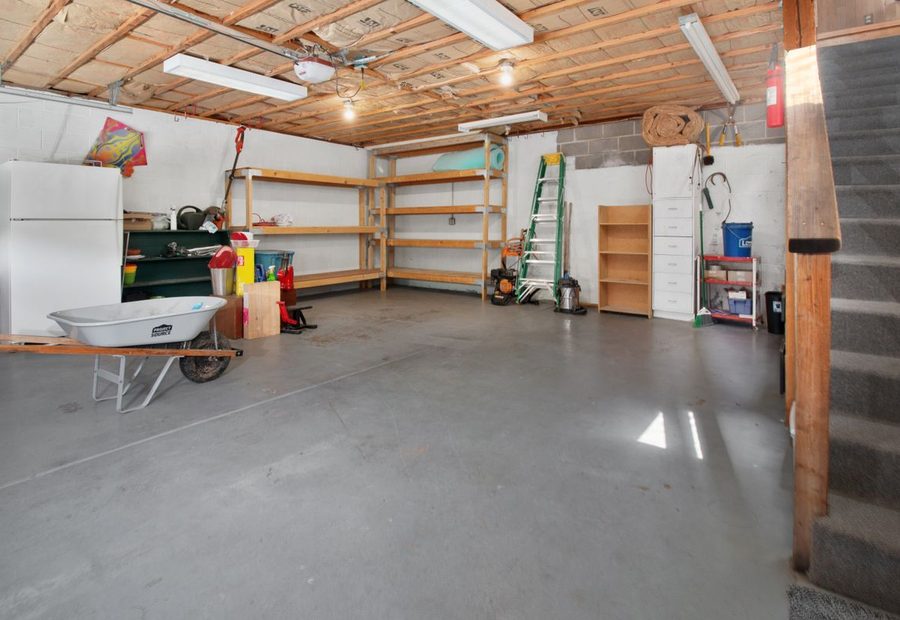
A garage or shop floor takes weight all year. Poured on loose fill, it cracks and the sections settle apart under the load. We tear out the old floor and rebuild the base in compacted crushed stone.
A vapor barrier goes under the slab to hold ground moisture out of the floor. We thicken the edges where the walls and the door load them, set control joints, and pour the mix at 4,000 PSI. A shop floor on a real base carries a lift or a rack without breaking up. More on garage and shop floor slabs.
Stamped & Decorative Concrete
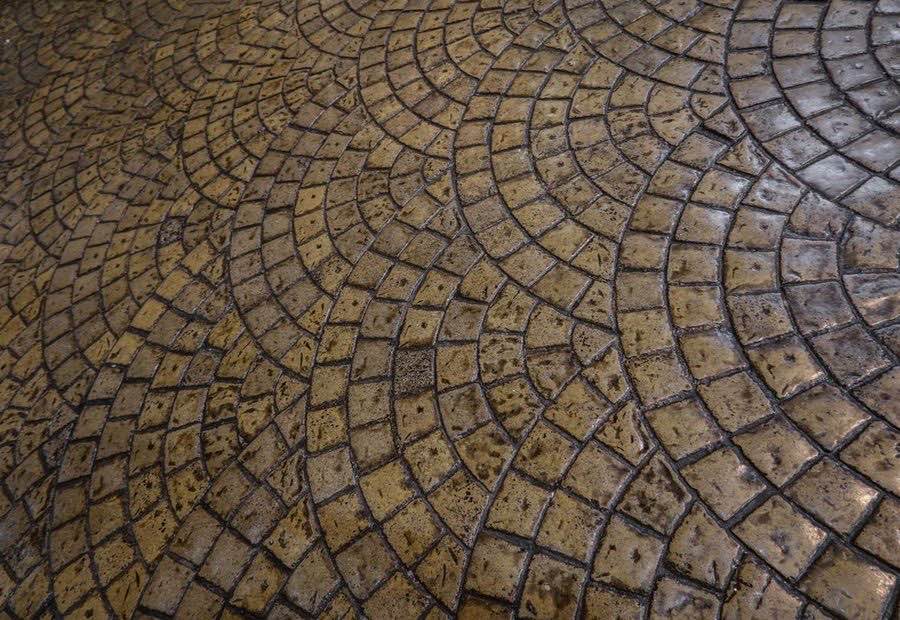
Stamped concrete gives a patio or a walk the look of stone or brick in one poured slab. Patterns press into the fresh surface, and color goes in the mix or on top. It is a finish over a slab, not a different structure.
The base and the joints are the same as on any slab we pour, so the pattern holds instead of cracking apart. A penetrating sealer keeps the color from fading and slows water into the surface. Exposed aggregate and stained finishes work the same way. More on stamped and decorative concrete.
Concrete Tear-Out & Haul-Away
Every replacement starts by getting the old slab out. We break up the concrete, load it, and haul it off. Then the base gets rebuilt and compacted before anything new goes down.
This is the step that separates a replacement from an overlay. An overlay pours a thin top over a failing slab, and the old cracks come right back through it. We take the old slab and its washed-out base away and start on clean, compacted ground. More on concrete tear-out and haul-away.

Commercial Flatwork
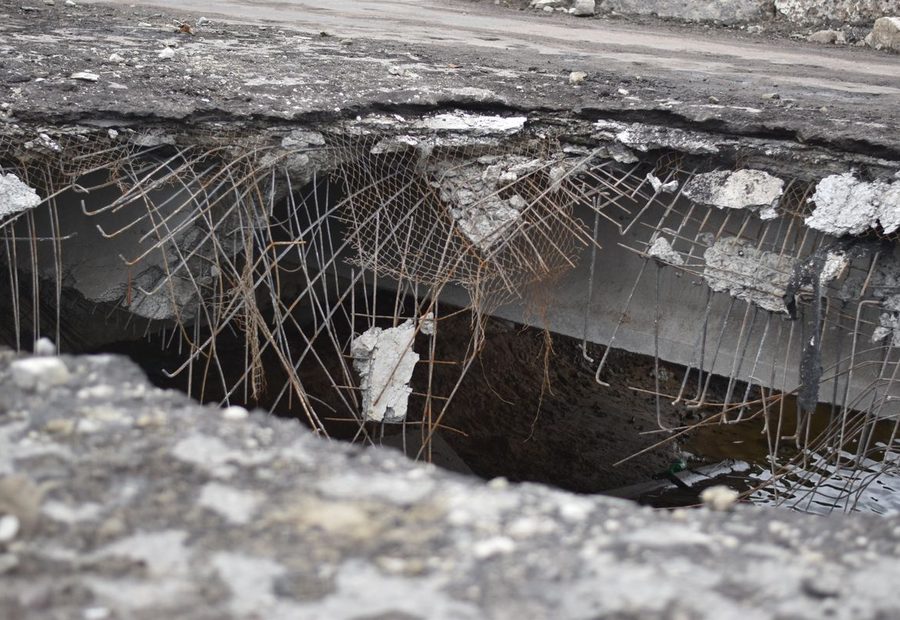
A parking lot, an approach apron, or a loading dock carries heavier loads than a driveway. The pours are larger, and the joints and the steel matter more. Poured thin or on a weak base, commercial flatwork breaks up fast.
We build ADA sidewalks, aprons, and dock slabs on a compacted stone base with the reinforcement the load calls for. The work can be staged after hours so a lot stays open through the day. The method is the same one we use on a driveway: sound base, steel, joints, and a mix built for the traffic. More on commercial flatwork.
Why Wichita Homeowners Choose Us
- We rebuild the base, not just the slab. A driveway sinks because the ground under it was never compacted or it washed out. Every slab we pour sits on four to six inches of compacted crushed stone, so start with driveway replacement.
- We pour concrete built for Kansas winters. Our mix is 4,000 PSI air-entrained, so freezing water has room and the surface does not flake. That same mix goes into every garage and shop floor we replace.
- We put steps on a real footing. Steps drift away from the house when frost lifts a shallow footing. We set steps and stoops on a footing below the frost line so they stay put.
- We replace, we do not lift. Lifting a settled slab is a patch that comes back when the base is gone. We tear the old slab out, rebuild the base, and repour it to last.
- Every slab is jointed and pitched. We saw-cut control joints and slope the pour to shed water, on a patio or a sidewalk alike. You get a written estimate before any work starts.
Built for Wichita's Clay
Wichita sits on heavy expansive clay. The clay swells when it is wet and shrinks when it dries. That movement lifts a slab in a wet spring and drops it in a dry August. A slab poured straight on that clay rides it up and down until it cracks.
Hot summers and winter freeze-thaw work on the surface too. Water in the concrete freezes, expands, and flakes the top off. That flaking is spalling, and de-icing salt drives it hard. Air-entrained concrete gives the freezing water room to expand, and a penetrating sealer slows the salt and water getting in. The base handles the movement, and the mix handles the cold.
The towns around Wichita sit on the same clay. Derby, Andover, and Maize are newer builds on graded farm clay, where a fresh slab still has to deal with shrink-swell. Goddard, Park City, Bel Aire, Haysville, and Valley Center run the same ground. The clay does not change lot to lot. A moisture-stable compacted base is what makes a slab last on it.
Our 5-Step Concrete Process
On-Site Estimate
We look at the slab, the ground under it, and how water drains off it. You get a written estimate with the scope and the price before any concrete comes out.
Tear-Out
We break up the old slab, load it, and haul it off. The failed base comes out with it, so we are not building new work on old, washed-out ground.
Base and Grade
We compact the subgrade and lay four to six inches of crushed stone. The base is pitched to drain, about a quarter inch per foot, away from the house and the garage.
Steel, Forms, Pour
We set forms, place rebar or mesh on chairs, and pour 4,000 PSI air-entrained concrete. Thicker sections go where trucks, RVs, or walls load the slab.
Joints and Finish
We finish the surface, saw-cut control joints about every ten feet, and set isolation joints at the edges. We clean up, haul the spoil, and leave the pour to cure.
Concrete Cost in Wichita
These are real price ranges for Wichita and Sedgwick County, not invented numbers. What you pay depends on the square footage, the thickness, how much tear-out there is, and whether the old base has to be dug out and rebuilt. Every job gets a free written estimate before work starts.
| Service | Typical Range | Notes |
|---|---|---|
| Concrete driveway replacement | $6,000 - $12,000 | Tear-out, base rebuild, and slab size set the price |
| Concrete patio replacement | $4,000 - $9,000 | Size, finish, and access drive the cost |
| Sidewalk / walkway replacement | $1,800 - $5,000 | Per run; long or wide walks cost more |
| Concrete steps & stoops | $2,000 - $6,000 | Footing depth and the number of steps |
| Garage / shop floor slab | $5,000 - $12,000 | Square footage and thickened edges |
| Concrete tear-out & haul-away | $1,500 - $4,000 | Slab size and disposal, on its own or with a repour |
Small jobs, like a short walk or a single stoop, start a couple thousand dollars. A full driveway on a rebuilt base runs into five figures, because the tear-out and the base are most of the work. Stamped and decorative finishes and commercial flatwork are quoted per project once we see the site.
What moves the price:
- Square footage and how thick the slab has to be for the load
- How much old concrete has to come out and get hauled off
- Whether the base under it is sound or has to be dug out and rebuilt
- Reinforcement, thickened edges, and the finish you choose
- Access for a truck and how far the pour has to be moved
Concrete, Base and Steel
The Compacted Stone Base
The base carries the slab, and the slab only rides along. We compact the subgrade and lay four to six inches of crushed limestone road base over it. Water drains through the stone and the ground stays put. A slab poured on bare dirt or loose fill cracks and settles no matter how good the concrete is.
Reinforcement: Rebar, Mesh, or Fiber
Steel does not stop concrete from cracking. It holds the cracks tight so the slab stays one piece. We run rebar on a grid or welded wire mesh, set on chairs in the middle of the slab, or use a fiber-reinforced mix. Reinforcement dropped on the dirt under the pour does nothing.
4,000 PSI Air-Entrained Concrete
Air-entrained concrete has microscopic air bubbles worked into the mix. When water in the surface freezes and expands, those bubbles give it room, so the top does not flake off. Without air entrainment, a Kansas winter spalls the surface. This is the mix that stands up to freeze-thaw and road salt.
Control and Expansion Joints
Concrete cracks. Control joints decide where. We saw-cut a joint about every ten feet so the slab cracks in a straight line along the joint instead of wandering across the top. Isolation joints go where the slab meets the garage, a wall, or the steps, so the two can move apart without tearing.
What We Pour on Wichita Lots
For most Wichita driveways, a four-inch slab of 4,000 PSI air-entrained concrete, reinforced and jointed, on four to six inches of compacted stone, is what lasts on clay. Where an RV or a truck parks, we go five to six inches thick. We read the lot, the drainage, and the load, then tell you what it needs.
Frequently Asked Questions
Why does my driveway keep cracking in Wichita?
Usually the base, not the concrete. Wichita clay swells wet and shrinks dry, and it moves a slab that was poured straight on it. Add a base that was never compacted, and the slab has nothing solid to ride on. We tear it out and rebuild the base in compacted crushed stone before we repour. More on driveway replacement.
Can you level my slab instead of replacing it?
Lifting a slab, by mudjacking or foam, raises it back up for a while. It is a patch. If the base under the slab has washed out or the concrete is already spalled and broken, the problem comes back. We rebuild the base and repour, so the fix is not riding on the same failed ground.
What is spalling and why is my surface flaking?
Spalling is the top of the slab flaking and scaling off. Water soaks into the surface, freezes, expands, and pops the concrete apart. De-icing salt makes it worse. Concrete without air entrainment has no room for the freezing water, so it spalls. Our mix is air-entrained, and a sealer slows the salt and water.
How thick should a concrete driveway be?
Four inches for a car, five to six inches where a truck or an RV sits. The thickness only holds up if the base does. We pour on four to six inches of compacted crushed stone over compacted subgrade, so the slab is supported the whole way across.
Do you reinforce with rebar or mesh?
Yes, and it goes in the middle of the slab on chairs, not on the ground. Rebar on a grid, welded wire mesh, or a fiber-reinforced mix all do the same job: they hold a crack tight so the slab stays one piece. Steel lying on the dirt under the pour does nothing for the concrete.
What is a control joint and why saw-cut it?
Concrete is going to crack as it cures and moves. A control joint is a cut line, saw-cut about every ten feet, that tells the slab where to crack. The crack follows the joint in a straight line instead of wandering across the surface. It is the difference between a neat slab and a random crack.
Why do my steps pull away from the house?
Frost. A footing set above the frost line heaves up every winter and drops every spring, and the steps tip away from the wall a little more each year. We pour steps and stoops on a footing below the frost line, so frost has nothing to lift. More on steps and stoops.
Do you do foundation or basement repair?
No. Foundation and basement repair, along with slab leveling, are a separate line of work handled by other companies. We replace flatwork: driveways, patios, sidewalks, steps, and floors. We tear out the old slab, rebuild the base, and pour new concrete.
How long before I can drive on a new driveway?
Walk on it after a day or so. Keep vehicles off for about a week, and heavy trucks or RVs off a little longer, while the concrete gains strength. Concrete keeps curing for weeks after it looks done. We tell you the timeline for your pour before we leave.
Do I need a sealer?
On a driveway or a walk that gets de-icing salt, a penetrating sealer is worth it. Salt and water are what drive spalling, and the sealer slows both from soaking into the surface. Stamped and colored concrete gets sealed to hold the color as well. We tell you when a slab needs it.
Can you replace concrete in winter?
We pour through most of the year and plan around the cold. Fresh concrete has to be protected from freezing while it sets, so a hard freeze can push a pour a few days. Tear-out and base work carry on. We schedule the pour for weather the slab can cure in.
Are you licensed and insured?
Yes. We are a licensed and insured concrete contractor working across Wichita and Sedgwick County. Requests through this site are routed to a local, licensed, and insured concrete contractor who will contact you directly. You get a written estimate before any work begins.
Serving Wichita and Sedgwick County
We tear out and replace concrete throughout Wichita and the towns around it in Sedgwick County. Every town sits on the same expansive clay, and the base is what makes a slab last on it. We build for the ground each lot has.
Ready to Replace That Concrete?
Call (316) 555-0148 for a free estimate. Tell us what you have: a cracked driveway, a heaved patio, a trip-hazard walk, steps pulling off the house, or a garage floor breaking up. Tell us how old it is and how it drains. You will get a straight read on whether it needs a full replacement or something smaller, and what the fix costs. No pressure and no fine print, just a clear answer from someone who works Wichita clay.